
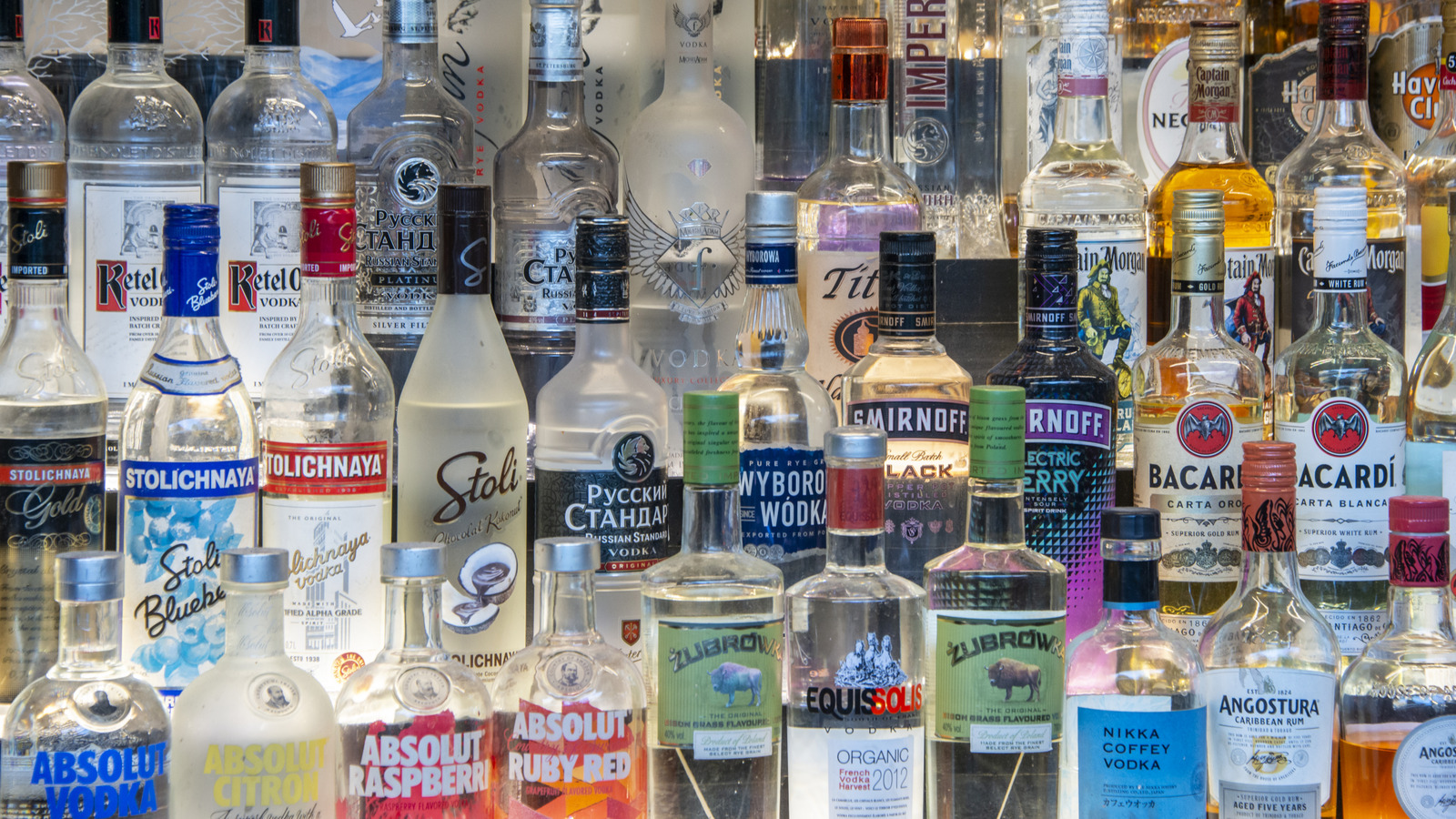

I saw "vodka" sitting between the Gatorade and the Slim Jims at an Ohio gas station last week. In most states, that is a legal impossibility. In Ohio, it is a multi-million dollar category built on a specific legal workaround and a very specific customer base. I think Ohio keeps this grocery-aisle category alive because it is the easiest liquor to get if you are under 21, even when the sale is illegal.
The 21% line that splits Ohio in half
Section 4301.01 of the Ohio Revised Code draws a hard line at 21% alcohol by volume (42 proof). Anything above that is spirituous liquor and stays behind the counter at state-contract OHLQ agencies. Anything at or below 21% counts as a mixed beverage. Manufacturers take neutral spirits, water them down to exactly 42 proof, and ship them to grocery stores and gas stations on C-2 permits. They sit next to the beer and wine because Ohio law classifies them as mixed beverages rather than liquor.
Manufacturers run the math on purpose. An A-4 permit lets them blend neutral spirits down into bottled drinks that top out at 21% ABV, and B-4 distributors move those products into retail chains. When you see 42 proof on the label, you are not getting a different kind of vodka; you are getting a product class Ohio defined so it could skip the agency store. The law sets the cap, and the shelf follows.
What I bought and how it tasted
I picked up Rikaloff and Orloff because they are the kind of names you see in Ohio groceries and almost nowhere else. I wanted to know if the bottles were still as bad as I remembered. They have not improved.
Rikaloff on my trip was thin, harsh cheap vodka that smells like solvent and finishes sweet in a way that does not help. Grocery listings for a 750 ml bottle often say 42 proof (21% ABV) right in the title. That is the legal ceiling for mixed beverages and, I think, they put it there on purpose. The same brand name also shows up at 80 proof (40% ABV) in liquor-store databases, so check the label every time. Ohio uses one word on the sign and two different products in the wild.
Orloff was no better for me. The Orloff Light line that retailers list at 24% ABV still sits under the spirituous cutoff, still lives in the beer-and-wine aisle, and still tastes watered down with the harsh edges left in. I would not mix either bottle into a cocktail I planned to serve guests, and I would not shoot them neat unless I was punishing myself.
| Brand | ABV (what listings or labels show) | Where you usually see it | My verdict |
|---|---|---|---|
| Rikaloff | 21% (42 proof) on grocery SKUs; 40% (80 proof) on many liquor-store SKUs | Acme, regional grocers, Instacart beer-and-wine | Awful; they capped it on purpose |
| Orloff / Orloff Light | About 24% on Light listings | Grocery beer-and-wine aisle | Awful; same aisle logic |
Half the rest of the shelf is labels I have never seen outside Ohio, which says plenty on its own. I did not blind-taste every unknown bottle, but the pattern repeats: big plastic handles, low proof, and prices that fit a teenager's cash.
Who I think that aisle is really for
Ohio law still bans selling beer or intoxicating liquor to anyone under 21 under ORC 4301.69. I am not claiming the state wrote a loophole that makes underage buying legal.
I think a lot of this product moves for the idea that underage kids will buy it anyway, because it is the easiest liquor they can get their hands on. Grocery stores and gas stations are already on their map. The bottle is cheap. The proof is capped so it stays in that aisle. Nobody has to walk into a dedicated agency store where checking IDs is the whole business.
Real vodka at 40% lives behind OHLQ. This aisle is the workaround: watered neutral spirits and weird brand names like Rikaloff and Orloff with marketing copy about smooth mixability while the proof number sits at 42. When I was younger, everyone knew which stores were loose about carding and which bottles fit in a backpack. That memory is part of why the current aisle still makes me angry. The product is legal for adults and miserable in the glass, and I think they put it on that shelf for people who cannot buy spirits legally yet.
What I do instead
I do not rebuy Rikaloff or Orloff. If I want vodka in Ohio, I drive to an OHLQ agency store, read the proof on the back label, and pay for something that counts as spirituous liquor. At home I would rather use a mid-shelf bottle from that wall than a grocery handle I would pour down the sink.
I do not expect Ohio to kill the category tomorrow because too many permits, pallets, and dollars depend on selling "vodka" that is legally a mixed beverage. I think the system is weird on purpose, and I think everyone involved knows who shops there when the clerk looks the other way. The bottles I tried were still terrible, and the easiest liquor in the state is still sitting between the soda and the chips.
For the market frame behind the bottle picks, see Whiskey Export Strategy 2026: Why France Became Aberlour’s Breakout….