

Sandalo Organic Estates is growing while much of the U.S. wine trade talks about flat volume. The Tampa-based importer built its business for independent shops and restaurants—the shelves Nielsen and IRI often miss. CEO Paul Clear says the gap between scan data and what’s happening in the field is widening.
“Sandalo is up nearly 10% in 2026, and the trends are hard to miss,” Clear said. “Scan data reflects the grocery and chain-restaurant universe. Our business lives in independent retail and restaurants, where drinkers are choosing small-production, organic wines over commodity labels. They’re leaning into orange wines, pét-nats, and chillable reds—and those styles are taking off for us.”
That split matters. BevWire’s 2026 Wine Industry Market Intelligence Report puts U.S. scanned wine sales down 1.8% by volume and 1.9% by value in March 2026. Industry analysts at Grand View Research size the U.S. organic wine segment at about $1.01 billion in 2024 and project 10.2% annual growth through 2030 (Grand View Research, 2025). Sandalo has been in this lane since 2009.
Who Sandalo is
Sandalo Organic Estates is the U.S. arm of Grupo Sándalo, a family-owned wine group with vineyards and wineries in Spain. While Sandalo Organic Estates is the trade name known to the market, the company’s official corporate name is Reserva Wines LLC. The company co-founded its U.S. operations with the Fernández family and Paul Clear, a wine industry veteran (Sandalo Organic Estates, n.d.).
From its office in Tampa, Florida, Sandalo runs import logistics and stores wine at International Cellars in Winchester, Virginia (Sandalo Organic Estates, n.d.). The company distributes in more than 40 U.S. states and focuses on wine professionals—distributors, sommeliers, and independent buyers—rather than mass-market grocery (Sandalo Organic Estates, n.d.). Today, Sandalo is exclusively focused on Spanish imports, having moved away from previous portfolios in Greece and South Africa to double down on its core expertise.
In the three-tier system, Sandalo is the importer. It selects producers, brings wine through U.S. customs, and works with distributors and restaurants to place bottles and kegs. This role helps buyers who want a single organic-focused book instead of hunting for certified labels inside a generalist portfolio.
What Sandalo gets right
Sandalo is one of the largest importers of organic wines in the U.S., but its book also includes artisanal, small-production wineries from regions where organic certification is nearly impossible due to climate and geography. In appellations like Txakoli, Jerez, and Rías Baixas, the focus shifts to traditional, low-intervention methods that mirror the organic philosophy even when the official seal is out of reach.
This commitment to integrity extends to regulatory compliance. After the Strengthening Organic Enforcement (SOE) Act was passed, Sandalo became one of the first U.S. importers to be fully certified from the bottle to the warehouse. While many competitors chose not to pursue this level of certification, Sandalo’s status ensures a transparent, legal chain for organic wine that few other importers can match.
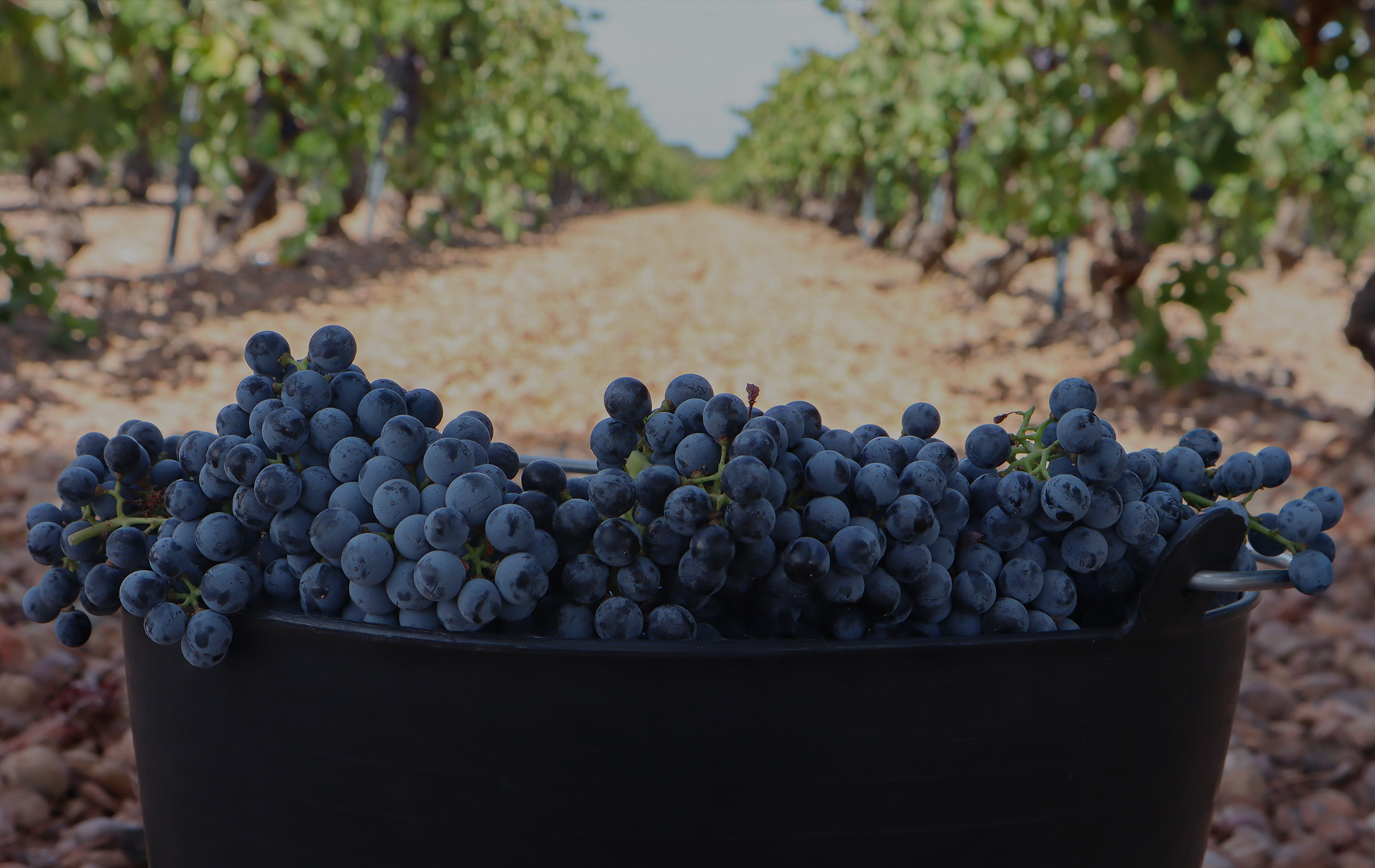
Behind the import book is Grupo Sándalo’s own production. The group owns more than 700 acres of vineyards and three wineries in Spain, and they buy fruit from partner organic farmers (Sandalo Organic Estates, n.d.). That mix gives Sandalo control over some labels and a partner network for others. It works for buyers who want estate control on one SKU and a grower story on the next.
Why Sandalo is growing while pundits aren’t
Scan panels focus on grocery chains and large restaurant groups. They often miss small wine shops, chef-driven lists, and by-the-glass programs that rotate frequently. Sandalo built its business for that blind spot.
Clear’s team stays on the street, tasting with distributors and listening to sommeliers. They watch what moves in cities where organic Spanish wine still has room to grow. That feedback is hard to get from a spreadsheet. When a style spikes in Brooklyn or Austin, Sandalo can move before the trend shows up in a national Nielsen report.
The market shift helps. Grand View Research says organic wine is growing in the U.S. because of health-conscious drinking and sustainability preferences (Grand View Research, 2025). Sandalo’s nearly 10% growth in 2026 is its own performance, but it matches a segment that is expanding while total wine volume slips.
What buyers are pulling from the book
Clear says three styles are driving reorders right now:
- Orange wine — white grapes fermented on skins. These are often amber in the glass with tannin and savory notes. (See BevWire’s orange wine guide.)
- Pét-nat — lightly sparkling wine finished in the bottle with live fermentation. It is casual, often lower in alcohol, and works well by the glass.
- Chillable reds — lighter, fresher reds served cool. Garnacha and similar varieties fit lunch service and patio lists.
On the Spanish side, Sandalo’s partnership with Punctum Biodynamic Family Vineyards gives buyers concrete handles. Punctum’s Lobetia line covers everyday organic Tempranillo and Chardonnay; Galerna focuses on fresh Garnacha and Verdejo; Pablo Claro is a distinct label for trade accounts that want tiered pricing (Sandalo Organic Estates, 2026; Punctum Biodynamic Family Vineyards, n.d.).
Partner proof: Punctum and SWfCP
Sandalo’s growth depends on its producers. Punctum in Castilla-La Mancha recently earned the Sustainable Wineries for Climate Protection (SWfCP) certification.
SWfCP is a Spanish wine standard developed by the Federación Española del Vino (FEV). Since 2023, it has covered environmental, social, economic, and governance pillars (Federación Española del Vino, n.d.). Wineries must show progress on renewable energy, water, waste, and emissions. An independent body verifies the results (Federación Española del Vino, n.d.; Applus+ Certification, n.d.).
Punctum farms organically and biodynamically without synthetic pesticides. Winemaker Ruth Fernández runs production with that same discipline in the cellar (Punctum Biodynamic Family Vineyards, n.d.; Sandalo Organic Estates, 2026). General Manager Jesús Fernández said sustainability has always been part of their philosophy and the way they farm (Sandalo Organic Estates, 2026).
For Sandalo buyers, the certification proves the standards are being met. Punctum generates more than 370,000 kWh per year from solar panels and recycles winery water for irrigation (ClimeCo, n.d.; Punctum Biodynamic Family Vineyards, n.d.).
Sandalo’s own sustainability stack
Sandalo applies the same lens to its own operations. Through a ClimeCo partnership, the company is working toward carbon neutrality. At events, the team prioritizes glassware or 100% compostable, plant-based paper cups. While Sandalo cannot always guarantee these materials when distributors or outside agencies manage the logistics, it remains the company's internal standard for every event it controls directly (ClimeCo, n.d.).
Clear told ClimeCo that their partners are farmers, and the environment is vital to the health of the vines (ClimeCo, n.d.). That alignment between importer and grower is why independent accounts keep the book. The story holds from the vineyard to the Tampa warehouse to the table.
What to watch in 2026
EU wine still faces tariff pressure in the U.S. BevWire’s $50 Sancerre editorial explains how surcharges compound through the three-tier system. Spanish value and mid-tier labels are not immune, and Sandalo will have to manage landed costs like every European importer.
The offset is channel and category. Independent shops, organic certification, and standards like SWfCP give Sandalo a reason to stay on buyer shortlists. If you run a shop or beverage program built on discovery wines, ask your distributor for Sandalo’s organic Spanish book or request samples of Lobetia and Galerna through Sandalo’s trade contact page.
References
Applus+ Certification. (n.d.). Sustainable Wineries for Climate Protection (SWfCP). https://www.appluscertification.com/global/en/what-we-do/service-sheet/wineries-for-climate-protection
BevWire. (2026, May 19). 2026 Wine Industry Market Intelligence Report: Volume, inventory, trade, and format shifts. https://bevwire.com/wine/reports/2026-wine-industry-market-intelligence-report
ClimeCo. (n.d.). Sandalo Organic Estates. https://shop.climeco.com/partners/sandalo-organic-estates/
Federación Española del Vino. (n.d.). ¿Qué es SWfCP? https://www.fev.es/fev/sustainable-wineries-for-climate-protection/que-es-swfcp_989_1_ap.html
Grand View Research. (2025). U.S. organic wine market size, share & trends analysis report. https://www.grandviewresearch.com/industry-analysis/us-organic-wine-market-report
Punctum Biodynamic Family Vineyards. (n.d.). Dominio de Punctum. https://www.dominiodepunctum.com/
Sandalo Organic Estates. (n.d.). Company brochure. https://www.sandaloestates.com/brochure/brochure.pdf
Sandalo Organic Estates. (n.d.). Sandalo Organic Estates PRO. https://www.sandaloestates.com/pro
Sandalo Organic Estates. (2026). Punctum Biodynamic Family Vineyards SWfCP certification [Press materials].