

Origins: A Festival Born from Tragedy
The story of the Midwest Brewers Fest cannot be told without understanding the catastrophic event that made it possible. On August 28, 1990—an extraordinarily late date for such severe weather—an F5 tornado struck Plainfield, Illinois, becoming the only F5 tornado ever recorded in the United States during the month of August. The storm killed 29 people, injured 353 more, destroyed 470 homes, and damaged another 1,000 properties. The historic riverfront along the DuPage River, once home to a popular resort known as Electric Park in the early 1900s, was left devastated.
Recovery was slow and deliberate. In the years following the tornado, community leaders formed the Plainfield Riverfront Foundation with a mission to rebuild and revitalize the scarred riverfront landscape, transforming it back into a place for community gathering. By 2009, the foundation had established itself as a nonprofit organization dedicated to supporting the riverfront area and creating events that would bring the community together while raising funds for continued revitalization efforts.
The Inaugural Festival: 2011
Conception and Organization
The first Midwest Brewers Fest took place on August 27, 2011, at Riverfront Park (24321 W. Lockport St.) on the west side of downtown Plainfield, situated along the banks of the DuPage River. The festival was co-organized by Steve Caton, principal at Limestone Brewing Company, and Dale Lewis, owner of Finnegan's Irish Pub—both established Plainfield business owners with deep connections to the local craft beer community.
The festival had a dual mission from its inception: to help revive the historic Plainfield riverfront and to introduce people to the growing world of craft beer. The timing was significant—it was held almost exactly 21 years after the tornado that had destroyed the area, symbolizing a full-circle moment of renewal for the community.
Attendance and Atmosphere
The inaugural Midwest Brewers Fest drew an estimated 2,000 to 4,000 visitors over the course of the day. Beer writer Mark McDermott, covering the event for Beeronaut, described it as "a relaxed environment without anyone really getting out of control throughout the course of the day"—a rarity at Chicagoland beer events of that era.
The festival grounds occupied over 80 acres along the riverfront, offering a picturesque setting that distinguished it from urban street festivals. The event ran from noon until 8:00 PM, providing an extended window for attendees to explore the offerings without feeling rushed.
Brewery Participation
The 2011 festival featured nearly 60 local and national breweries, offering approximately 150 different beer samples. The brewery lineup represented a mix of established Chicago-area craft brewers and newer entrants to the market:
Local and Regional Favorites:
- 5 Rabbit – Latin-inspired craft brewery
- Big Muddy Brewing (Murphysboro, IL) – Southern Illinois craft brewery
- Brickstone – Popular Illinois brewery
- Destihl (Normal, IL) – Known for their sour program and barrel-aged offerings
- Flossmoor Station – South suburban Chicago brewpub
- Haymarket – Chicago brewery known for their Belgian-style and barrel-aged beers
- Limestone Brewing Company – The Plainfield-based co-organizer
- Metropolitan Brewing – Chicago's lager-focused brewery
- Revolution Brewing – Then-emerging Chicago craft powerhouse
- Two Brothers – Warrenville-based family brewery
- Wild Onion – Lake Barrington brewery
National Craft Breweries:
- Abita (Louisiana)
- Big Sky (Montana)
- Clown Shoes/Ipswich (Massachusetts)
- Founders (Michigan)
- Goose Island (Chicago, pre-ABI acquisition era)
- Great River (Davenport, Iowa)
- Lagunitas (California)
- New Belgium (Colorado)
- Smuttynose (New Hampshire)
- Stone (California)
Specialty Participants:
- B. Nektar (Ferndale, MI) – Meadery that generated significant buzz before tapping out
- Chicago Beer Company – Local Chicago operation
- Finch's Beer Company – Emerging Chicago brewery with Threadless collaboration beers
- Galena Brewing – Illinois-based brewery
- Lake Effect Brewing – Chicago craft brewery
- Mendocino Brewing – Established California craft brewery
- Rock Bottom – National brewpub chain with local locations
- Stockholm – Swedish-themed brewery
Unique Features
The inaugural festival distinguished itself through several innovative programming elements that would become hallmarks of the event:
The VIP Experience
Unlike many festivals where VIP access simply meant shorter lines, the Midwest Brewers Fest created a truly differentiated VIP experience. The VIP tent featured air conditioning, dedicated seating, live music, unlimited food options from Finnegan's Irish Pub and Limestone Brewing Company, and—most notably—a rotating tap list of 8+ exclusive beers that updated hourly.
VIP-exclusive offerings included:
- Dirty Bird (Finch's)
- Pablo Picasso (Revolution Brewing)
- Aphrodite (Ommegang)
- Hop Juice Black (Two Brothers)
- Scarlett (Goose Island)
- Monkey Wood (Limestone Brewing Company) – An oak-aged version of their Brew Monkey Belgian ale
- Hop Slayer (Wild Onion)
- Dragon's Milk (New Holland)
- Do You Thinkasaurus Rex (Flossmoor Station) – One of only two cask-conditioned options available at the festival
The food offerings in the VIP section included Waygu beef sliders, Angus burgers, ribs, artisanal cheeses, pretzels, nuts, and fresh fruits.
Homebrewers Pavilion
The most active of the seven tents at the festival was the Homebrewers Pavilion, which featured working brewing equipment and beer being made on-site during the event—an unusual sight at commercial beer festivals.
Three homebrewing clubs participated:
- PALE (Plainfield ALE & Lager Enthusiasts)
- HOPS (Homebrewers Pride of the Southside)
- The Brew Shed
Attendees received five tickets specifically for sampling homebrews from these clubs. The pavilion also featured Marty Nachel from ale-conner.com offering beer knowledge certification tests. Standout homebrews included Black Watch, a well-balanced Scottish ale, and The Kilt Lifter, a surprisingly smooth 13% ABV strong ale.
Craft Beer 101
Industry experts staffed a dedicated "Craft Beer 101" booth to answer questions from craft beer newcomers, helping educate the expanding audience for specialty beer.
Entertainment and Amenities
The festival included six live music acts, bags (cornhole) tournaments, a cigar section hosted by Burning Leaf Cigars, and vendor displays from companies like Brew & Grow and Vessel (hand-blown tap handles). Artist Nick Paul performed live glass-blowing demonstrations, creating art from recycled Stone Brewing bottles.
Charitable Mission
From its inception, the Midwest Brewers Fest was designed as a fundraising vehicle. Proceeds benefited the Plainfield Riverfront Foundation—directly supporting the continued revitalization of the tornado-scarred riverfront area—and Pints for Prostates, a nonprofit organization dedicated to raising awareness among men about the importance of regular prostate cancer screenings.
Pints for Prostates, founded by beer journalist Rick Lyke after his own prostate cancer diagnosis at age 42, uses craft beer as a medium to encourage men to discuss health issues and seek preventive care. The organization's partnership with the Midwest Brewers Fest represented a natural alignment between the craft beer community and men's health advocacy.
Infrastructure and Logistics
The festival implemented a shuttle system that transported attendees from remote parking lots and local Metra stations, including the Route 59 station, making it possible for some attendees to reach the event without driving. Over 200 volunteers staffed the festival, providing friendly assistance throughout the grounds.
Parking was limited at the festival site itself, reserved primarily for VIP ticket holders and brewers unloading kegs. General attendees parked at remote lots and relied on the shuttle system—a minor inconvenience that helped maintain the relaxed atmosphere by limiting the number of vehicles near the drinking venue.
Critical Reception
The inaugural festival received generally positive reviews, though some critics noted that the brewery lineup consisted primarily of "the usual suspects"—established breweries already widely available in the Chicago market rather than hard-to-find limited releases. However, this was largely a function of Illinois distribution laws, which required breweries to have established distribution relationships to pour at the event.
Beer writer Mark McDermott noted that the festival's organization rivaled much longer-established events, with efficient shuttle service, adequate shade tents for summer drinking, and a well-executed VIP experience that actually delivered value beyond simple early access.
Growth and Evolution: 2012-2016
2012: Building on Success
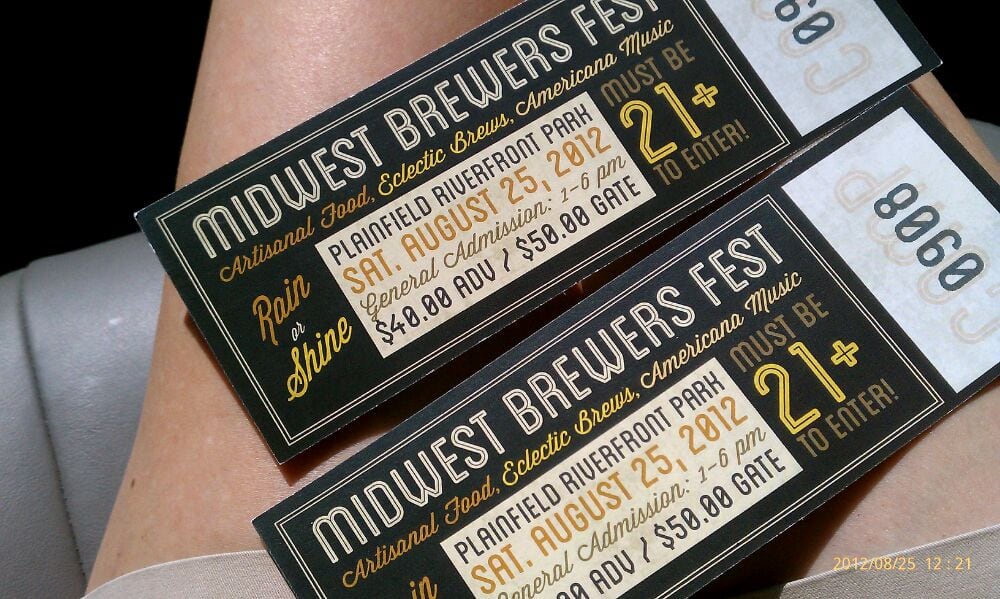
The second annual Midwest Brewers Fest took place on August 25, 2012, returning to Riverfront Park with expanded programming and lessons learned from the inaugural year. Organizers addressed some of the criticisms from 2011 while maintaining the festival's core identity.
New Programming Elements:
- "Craft Beer 101" Experience – An enhanced educational component demonstrating home brewing methods to attendees- "Best of Show" Competition – A formal beer competition judged by Beer Judge Certification Program (BJCP)-sanctioned judges- Enhanced "No Wait" Line System – Additional brewery tents to reduce congestion at popular pours- Bean Bags Tournament – Sponsored by the Friends of the Plainfield Riverfront Foundation, running from 2:00 PM to 5:00 PM with registration from noon to 2:00 PM
Expanded Brewery Lineup:
The 2012 festival featured nearly 60 local and national breweries, with some notable additions including: - Oskar Blues (Colorado) – Making its Midwest Brewers Fest debut
- Three Heads Brewing (New York) – Collaborating with Clown Shoes on a special release
Ticketing Structure: - General Admission: $40 in advance, $50 at the gate
- Designated Driver: $10 (included soda, water, and no beer sampling)
- VIP: Sold out in advance, included early entry at noon, special tastings, food, commemorative T-shirt, and on-site parking
Rahul Wahi, who had volunteered at the 2011 festival, joined the organizing committee for 2012 with a vision to create an "iconic" event for Plainfield that would showcase "the dedicated local businesses and landscapes we have in our community".
2013-2015: The Middle Years
While detailed records of the 2013, 2014, and 2015 festivals are less comprehensive in available sources, the event continued annually at Riverfront Park, maintaining its core formula of craft beer sampling, homebrew demonstrations, and charitable fundraising for the Plainfield Riverfront Foundation and Pints for Prostates.
The festival maintained its typical schedule—running from 1:00 PM to 6:00 PM with VIP early entry at noon—and continued to feature 50+ breweries offering 150+ craft beer samples. The Home Brewers Pavilion remained a popular attraction, and the event consistently drew thousands of attendees to the Plainfield riverfront each summer.
2016: The Sixth Annual Festival
The sixth annual Midwest Brewers Fest took place on October 8, 2016, marking a shift from the traditional August timing to a fall date. This was the last documented in-person Midwest Brewers Fest in Plainfield.
Notable Features:
- A newly constructed pedestrian bridge over the DuPage River provided convenient access to paved parking adjacent to Plainfield High School-Central Campus and Renwick Community Park- Approximately 50 local breweries participated, including a mix of established regional brewers and newly opened operations
- Participating breweries included: 51st Ward Beer Company, Arcade Brewery, Cademon Brewing, Lake Effect Brewing Company, Metal Monkey Brewing, Vice District Brewing Company, and Werk Force Brewing Company
Charitable Impact:
By 2016, the Midwest Brewers Fest had become, according to The Herald-News, "the largest single donor to the Plainfield Riverfront Foundation and one of the largest donors to the national organization Pints for Prostates". The festival's ability to generate significant charitable contributions while providing an enjoyable experience for attendees represented a successful model for community-focused beer events.
The Legacy and Impact
Economic and Community Impact
Over its six-year run as an in-person event, the Midwest Brewers Fest achieved several significant outcomes:
Riverfront Revitalization: The festival brought thousands of visitors annually to the Plainfield riverfront area, generating visibility and foot traffic for a part of the community still recovering from the 1990 tornado. The Plainfield Riverfront Foundation used proceeds from the festival to support continued development of the riverfront park and surrounding area.
Craft Beer Education: Through its "Craft Beer 101" programming and Homebrewers Pavilion, the festival introduced thousands of Illinois residents to craft beer culture, homebrewing as a hobby, and the principles of beer evaluation. This educational mission helped expand the market for craft beer in the Chicago suburbs.
Men's Health Awareness: The partnership with Pints for Prostates brought health awareness messaging to a demographic (men aged 21-45) often difficult to reach through traditional healthcare marketing. By attaching health screenings and awareness campaigns to a social beer event, the festival helped normalize conversations about prostate health.
Brewery Exposure: For smaller and emerging breweries, the Midwest Brewers Fest provided an opportunity to reach thousands of potential customers in a single day. Breweries like Metal Monkey, Vice District, and Werk Force—relative newcomers in 2016—gained valuable exposure at the festival.
The End of the Festival
The sixth documented Midwest Brewers Fest took place in October 2016. While sources do not definitively establish whether additional events occurred in 2017 or beyond, no public records confirm any further physical festivals after 2016. The event appears to have quietly concluded after six years of operation, leaving behind a significant legacy in Illinois craft beer history.
The Plainfield Riverfront Foundation continued its mission of revitalizing the DuPage River corridor through other events. In March 2021, the Plainfield Village Board approved a new 10-year master plan for riverfront development, building on the foundation established through events like the Midwest Brewers Fest.
The foundation also hosted Plainfield Fest, a broader community festival featuring a beer garden, live music, food vendors, and family activities. However, this event underwent its own challenges—after experiencing financial difficulties and losing its carnival component, Plainfield Fest announced it would not return in July 2023, with Mayor John Argoudelis noting that it had "run its course" and "devolved into just a beer tent and some local music without any real theme".
Notable Breweries and Beers
Throughout its run, the Midwest Brewers Fest featured dozens of notable breweries and hundreds of individual beers. Some standouts included:
Standout Brews from the 2011 Festival
Limestone Brewing Company – Monkey Wood
A highlight of the inaugural festival, this oak-aged version of Limestone's Brew Monkey Belgian ale featured banana and caramel aromas, spiciness and clove from Belgian yeast, and a smooth oak finish. As the hometown brewery of co-organizer Steve Caton, Limestone had a natural presence at the festival, but Monkey Wood demonstrated their ability to compete with regional and national offerings.
Wild Onion – Pumpkin Ale
Described as "very well done" by Chicago Beer Geeks, this seasonal offering entered the conversation alongside established pumpkin beer heavyweights like Southern Tier Pumking and Dogfish Head Punkin Ale.
Destihl – Barrel Aged Belgian Sour
The Normal, Illinois brewery brought a barrel-aged Belgian sour aged on strawberries and raspberries, showcasing their expertise in wild and sour fermentation—an emerging trend in 2011 Midwest craft beer.
Flossmoor Station – Do You Thinkasaurus Rex
One of only two cask-conditioned options at the 2011 festival, this beer represented Flossmoor Station's commitment to traditional English serving methods and showcased their brewing versatility.
Big Muddy Brewing – Big Muddy Monster
From Murphysboro in southern Illinois, Big Muddy brought their flagship imperial stout to the festival. Owner and Brewmaster Chuck Stuhrenberg was one of only three craft beer self-distributors in Illinois at the time, alongside Rolling Meadows Brewing and Argus Brewing.
Collaborations and Special Releases
The 2012 festival featured a collaborative brew from Three Heads Brewing and Clown Shoes, demonstrating the festival's role in facilitating brewery partnerships and limited releases.
Lessons and Industry Context
The 2011 Craft Beer Landscape
When the Midwest Brewers Fest debuted in 2011, the craft beer industry was in a period of rapid expansion but had not yet reached the saturation levels of the late 2010s. The festival operated in a window when:
- Goose Island was still an independent Chicago craft brewery (the Anheuser-Busch InBev acquisition would not occur until later that year)
- Stone Brewing was expanding aggressively into new markets, using events like Midwest Brewers Fest to build brand awareness
- Homebrewing was experiencing a renaissance, with clubs like PALE, HOPS, and The Brew Shed representing a growing hobbyist community
- Craft beer distribution in Illinois was still relatively consolidated, making it difficult for small breweries without distribution deals to pour at festivals
Regulatory Environment
The Midwest Brewers Fest operated within Illinois's complex alcohol regulatory framework. The state's distribution laws required breweries to have established wholesaler relationships to participate in tasting events, which limited the festival's ability to feature out-of-market or self-distributed breweries. This stood in contrast to events like the Great Taste of the Midwest in Wisconsin, where more permissive laws allowed breweries from across the country to participate regardless of distribution status.
The festival did benefit from Illinois's evolving approach to homebrewing. By the 2012 event, the festival's Homebrewers Pavilion could legally serve samples to attendees—a relatively recent development in Illinois alcohol regulation that reflected the growing mainstream acceptance of homebrewing as a hobby.
Festival Economics
The Midwest Brewers Fest demonstrated both the potential and the challenges of community-focused beer festivals. While the event successfully raised significant funds for the Plainfield Riverfront Foundation and Pints for Prostates, the broader Plainfield Fest (the foundation's other major event) eventually proved financially unsustainable.
The 2023 discontinuation of Plainfield Fest—with Mayor Argoudelis noting that organizers "only made $15,000" after substantial volunteer effort—suggests that even established community festivals face economic headwinds, particularly when they lose distinctive programming elements like carnival attractions.
Conclusion
The Midwest Brewers Fest represents a significant chapter in Illinois craft beer history—a six-year experiment in community-focused beer events that bridged the gap between charitable fundraising, craft beer education, and community revitalization. Born from the devastation of a historic tornado, the festival brought thousands of beer enthusiasts to a recovering riverfront area, generating revenue for continued redevelopment while introducing attendees to the diversity of Midwest craft brewing.
For those who attended between 2011 and 2016, the Midwest Brewers Fest remains a memory of summer days (and one October afternoon) spent along the DuPage River, sampling beers from Abita to Stone, learning about homebrewing from passionate amateurs, and contributing—one tasting ticket at a time—to the ongoing revitalization of a community scarred by tragedy but resilient in recovery.
The festival demonstrated what was possible when craft beer culture aligned with community needs: a well-organized, educational, and charitable event that served the interests of brewers, drinkers, and the broader Plainfield community. While the physical festival has concluded, its impact endures in the revitalized riverfront park it helped fund, the breweries it helped introduce to new audiences, and the model it provided for community-focused beer events.
The riverfront has been rebuilt. The festival lives on in memory.
Sources and References
McDermott, Mark. "The Midwest Brewers Festival 2011." Beeronaut, August 31, 2011. https://www.beeronaut.com/2011/08/31/the-midwest-brewers-festival/
Antinori, Shannon. "Midwest Brewers Fest is Back Aug. 25." Plainfield Patch, August 17, 2012. https://patch.com/illinois/plainfield/midwest-brewers-fest-is-back-aug-25
nkosio. "Inaugural Midwest Brewers Fest." Chicago Beer Geeks, August 2011. https://www.chicagobeergeeks.com/2011/08/inaugural-midwest-brewers-fest/
Pints for Prostates. Official website. https://www.pintsforprostates.org/
Viau, Scott. "Midwest Brewers Fest Returning to Plainfield Oct. 8." Plainfield Patch, September 15, 2016. https://patch.com/illinois/plainfield/midwest-brewers-fest-returning-plainfield-oct-8
CBS Chicago. "Plainfield Beer Fest First To Feature Home Brew Under New State Law." https://www.cbsnews.com/chicago/news/plainfield-beer-fest-first-to-feature-home-brew-under-new-state-law/
Rosca, Emily. "Plainfield Fest 'Has Run Its Course,' Won't Return In July: Mayor." Plainfield Patch, May 24, 2023. https://patch.com/illinois/plainfield/plainfield-fest-has-run-its-course-wont-return-july-mayor
The Plainfield Riverfront Foundation. Official website. https://theplainfieldfest.com/
For another brewery profile in the same vein, see Holler Brewing Co: How a Husband-and-Wife Team Turned Their Homebre….