
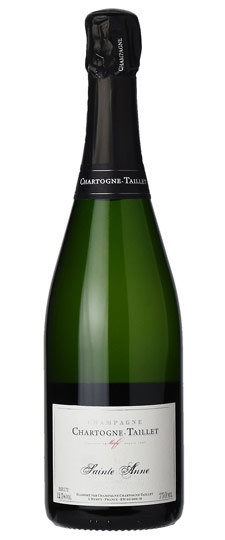

If you spend enough time looking at the wine lists of the world’s best restaurants, you will eventually notice a name that appears almost as often as the big luxury brands: Chartogne-Taillet.
The name doesn't stay on lists because of a marketing budget. It stays because it is the rare bottle that makes both a novice drinker and a seasoned collector happy. For the novice, the flagship Cuvée Sainte Anne is bright and energetic. For the collector, it represents a masterclass in "grower Champagne"—wine made by the same person who grew the grapes, focused on a specific village rather than a broad regional blend.
Based in the village of Merfy, just northwest of Reims, Alexandre Chartogne has turned the family estate into a name recognized by collectors worldwide. He trained under the legendary Anselme Selosse, and while he has his own distinct style, he shares that same obsession with the dirt.
This guide covers why sommeliers love the brand, what makes Merfy unique, and how to pick your first bottle.
Sixty-second producer facts
- The Estate: The Taillet family has farmed in Merfy since 1683. Alexandre took over the cellar in 2006.
- The Location: Merfy, in the Massif de Saint-Thierry (Montagne de Reims). It is the only "Récoltant-Manipulant" (grower-producer) remaining in the village.
- The Scale: Roughly 11–12 hectares of vines spread across 13 distinct parcels.
- The Philosophy: No insecticides or herbicides; horse-drawn plowing in many parcels; fermentation in a mix of oak barrels, concrete eggs, and stainless steel.
- The Importer: In the United States, Chartogne-Taillet is represented by Grand Cru Selections, a national importer focused on artisanal, site-specific estates.
Merfy: The "forgotten" village with a soil mosaic
To understand the wine, you have to understand Merfy. While villages like Le Mesnil or Verzenay get all the glory, Merfy was once considered one of the best sites in Champagne during the Middle Ages. It fell into obscurity after the World Wars, but Alexandre Chartogne has made it his mission to restore its reputation.
Merfy is unique because of its soil. Most of Champagne is famous for pure chalk, but Merfy sits on a complex mix of sand, clay, and chalk. Alexandre often describes his vines as "living in two environments"—the roots might start in a meter of sand before hitting the hard chalk bedrock.
This soil mosaic is what gives Chartogne-Taillet its specific texture. The sand provides a certain "roundness" and approachable fruit, while the underlying chalk provides the "cut" and mineral tension that keeps the wine fresh. By vinifying each parcel separately, Alexandre is able to show exactly how a few meters of difference in soil can change the flavor of the wine.
What Alexandre changed: The Selosse influence
When Alexandre returned to the family estate in 2006 after working with Anselme Selosse, he didn't just tweak the recipe; he changed the entire approach to farming.
He stopped using synthetic chemicals and started focusing on soil health. He brought in Claude and Lydia Bourguignon, the world's leading soil microbiologists, to help him understand the life beneath his vines. He reintroduced horses to plow the vineyards. This prevents soil compaction from heavy tractors. The roots can breathe and dive deeper.
In the cellar, he moved away from the "industrial" style of making Champagne. He uses native yeasts for fermentation and lets the wines age in neutral oak barrels or concrete vessels. He also keeps the "dosage" (the sugar added at the end) very low—typically around 2.5 to 3 grams per liter. This "Extra Brut" style ensures that the character of the vineyard isn't hidden behind a wall of sweetness.
The lineup: From Sainte Anne to the single parcels
The Chartogne-Taillet portfolio is structured like a ladder. You start with the village blend and move up into specific pieces of land.
| Cuvée | Role | Typical US Price | Buy when... |
|---|---|---|---|
| Cuvée Sainte Anne NV | The flagship village blend. | $55–$80 | You want the best value in grower Champagne. |
| Le Rosé NV | A bright, red-fruited blend. | $75–$90 | You want a "serious" rosé that still feels fun. |
| Heurtebise | Single-parcel Chardonnay (Blanc de Blancs). | $95–$115 | You love sharp, angular, mineral-driven bubbles. |
| Orizeaux | Single-parcel Pinot Noir (Blanc de Noirs). | $110–$130 | You want a vinous, savory wine that pairs with dinner. |
| Les Barres | Ungrafted Meunier from 1952. | $130–$160+ | You are a collector looking for a rare "unicorn" bottle. |
| Les Couarres | A blend of Pinot Noir and Chardonnay. | $100–$120 | You want a step up in richness and complexity. |
| Hors Série | Rare experiments from Grand Cru sites. | $180+ | You already love the house style and want a contrast. |
Cuvée Sainte Anne: The gateway bottle
If you only ever buy one bottle from this producer, make it Sainte Anne. It is a blend of Chardonnay, Pinot Noir, and a small amount of Meunier. It is designed to be a "lesson in Merfy," combining grapes from across the village's diverse soils.
Critics like Antonio Galloni have called it "absolutely impeccable" for its complexity and value. Expect aromas of red apple and pear, a hint of toasted almond, and a long, salty finish. It is one of the few Champagnes that feels equally at home at a wedding toast or paired with a roast chicken.
The Single Parcels: For the terroir hunters
Once you've tried Sainte Anne, the single-parcel wines are where the real "terroir" work happens.
- Heurtebise comes from a plateau of sandstone and is almost always 100% Chardonnay. It is the most "crystalline" and sharp wine in the lineup.
- Orizeaux is 100% Pinot Noir grown on sand over chalk. It is deeper, more savory, and has a weight that feels more like a still white Burgundy with bubbles.
- Les Barres is the crown jewel. It is made from Pinot Meunier vines planted in 1952 that were never grafted onto American rootstocks (a rarity in Europe). It is incredibly dense, creamy, and saline.
Which bottle to buy first: Three paths
Path A: The first-time grower buyer
If you usually drink "big house" brands like Veuve Clicquot or Moët & Chandon, buy Cuvée Sainte Anne. You will notice it has less sugar (it feels "drier") but much more texture and flavor. It is the perfect introduction to why "grower" wine is so exciting.
Path B: The Chardonnay lover
If you gravitate toward Blanc de Blancs or Chablis, go straight for Heurtebise. It captures that same electric, mineral energy but with the added complexity of Alexandre’s barrel aging.
Path C: The collector
If you are building a cellar, look for Les Barres or Orizeaux. These wines have the structure to age for a decade or more, and because they are produced in tiny quantities, they are always in high demand.
Worth-it verdict: Is it worth the splurge?
Yes.
At $65–$75, Cuvée Sainte Anne is one of the most honest values in the wine world. You are getting a wine made with the same care and philosophy as bottles that cost $300, but at a price that doesn't require a special occasion.
The single-parcel wines ($100+) are a "conditional" yes. They are worth it if you have already tried Sainte Anne and want to dive deeper into the nuances of Merfy. They are "intellectual" wines—they ask you to pay attention to the differences in soil and season.
Comparisons: How it stacks up
| Compare to | What changes |
|---|---|
| Veuve Clicquot NV | Chartogne is drier and more vinous. It has a mineral depth that big-house blends usually lack. |
| Pierre Peters | Pierre Peters is a specialist in pure chalk Chardonnay from the Côte des Blancs. Chartogne is more about the "earthier" mix of sand and clay in Merfy. |
| Jacques Selosse | You can see the shared DNA in the texture and the focus on the vineyard, but Chartogne is more accessible and generally "cleaner" in its fruit profile. |
FAQ
What is Chartogne-Taillet?
Chartogne-Taillet is a family-owned grower Champagne estate in the village of Merfy. It is led by Alexandre Chartogne, who is widely considered one of the most talented young winemakers in the region, known for his focus on individual vineyard parcels and natural farming.
Which Chartogne-Taillet bottle should I buy first?
The Cuvée Sainte Anne is the flagship and the best place to start. It is a blend that represents the entire village of Merfy and offers exceptional value, typically retailing between $55 and $80.
Is Chartogne-Taillet Sainte Anne worth it?
Yes. It is frequently cited by critics and sommeliers as one of the best values in Champagne, offering a level of complexity and texture usually found in bottles twice its price.
How much does Chartogne-Taillet cost?
The entry-level Sainte Anne costs about $60–$75. Single-vineyard bottlings like Heurtebise or Orizeaux typically range from $90 to $130, while rare releases like Les Barres or Hors Serie can exceed $150.
How is Chartogne-Taillet related to Selosse?
Alexandre Chartogne trained under the legendary Anselme Selosse. While the wines are distinct, Alexandre applies many of Selosse's philosophies, including a focus on healthy soils, low yields, and letting the vineyard's character dictate the wine's profile.
Where is Merfy in Champagne?
Merfy is located in the Massif de Saint-Thierry, a sub-region northwest of Reims in the Montagne de Reims. It is known for its unique soils of sand, clay, and chalk.
Sources:
- Grand Cru Selections: Champagne Chartogne-Taillet Producer Profile
- Decanter: "Grower Champagne: Chartogne-Taillet" by Peter Liem
- Flatiron Wines: "Essential Grower Champagne: Chartogne-Taillet's Stunning Sainte Anne"
- Vinous Media: Tasting Notes and Reviews by Antonio Galloni
- PUNCH: "Champagne's Next Revolution Is Now" by Jon Bonné
Shoppers comparing bottles often pair this guide with Pierre Péters explained: the benchmark for chalky, Grand Cru Blanc ….